Sodium Carbonate (Na₂CO₃), commonly known as Soda Ash, is a white solid chemical compound produced in two main forms: light and dense (heavy). This alkaline substance is highly soluble in water, forming a strongly basic solution. It is primarily manufactured through the Solvay process from sodium chloride and limestone, or extracted from natural deposits such as trona.
Sodium carbonate plays a vital role in numerous industries: in glass manufacturing to lower the melting temperature of silica, in detergent production as an alkalizing agent, in the pulp and paper industry, in alumina refining, and even in the food industry as an acidity regulator.
From a safety perspective, sodium carbonate is relatively non-toxic, but prolonged skin contact or inhalation of its dust may cause mild irritation. It must be stored in a dry environment, away from moisture, due to its hygroscopic nature.
Given its central role in many industrial cycles, sodium carbonate is considered a strategic base material and is one of the most widely traded chemicals worldwide.


Anionic Surfactants are a class of surface-active agents characterised by a negative charge on the hydrophilic (water-loving) part of the molecule. This negative charge typically originates from sulfate, sulfonate, or carboxylate groups. Their defining features include high foaming ability, strong detergency, and excellent capacity to remove oils and organic soils from surfaces.
Common examples include Sodium Lauryl Sulfate (SLS), Alpha Olefin Sulfonate (AOS), and Sodium Lauryl Ether Sulfate (SLES). These compounds are widely used in the manufacture of household and industrial detergents, as well as personal care products such as shampoos and liquid soaps, and in industrial cleaning formulations.
Despite their high effectiveness, excessive use of anionic surfactants may lead to skin irritation or dryness. For this reason, they are often blended with nonionic or amphoteric surfactants to produce milder formulations.
Thanks to their efficiency, low cost, and ease of production, anionic surfactants account for the largest share of the global surfactant market.
Linear Alkyl Benzene (LAB) is a clear, colourless liquid with a characteristic odour, produced by combining a linear alkyl chain (typically derived from normal paraffins C₁₀–C₁₄) with a benzene ring. The most common production method is the alkylation of benzene with linear olefins (such as 1-decene) in the presence of an acid catalyst.
LAB is the primary feedstock for producing anionic surfactants, particularly Linear Alkylbenzene Sulfonate (LAS), which accounts for over 80% of the world’s powder and liquid detergents. Owing to its linear structure, LAB is highly biodegradable and is considered a safer, more environmentally friendly alternative to earlier branched alkyl benzenes, which showed poor degradation in the environment.
Key properties of LAB include chemical stability, resistance across a wide pH range, good foaming capacity, and compatibility with other surfactants.
While its main application is in household and industrial detergents, LAB is also used in the production of textile softeners, emulsifiers, and certain agricultural formulations.


Caustic Soda (Sodium Hydroxide – NaOH) is a strong solid alkali with the chemical formula NaOH, produced as white, odourless flakes. It is manufactured through the chlor-alkali process, involving the electrolysis of sodium chloride solution. Caustic soda dissolves rapidly in water, generating a highly alkaline solution with a strongly exothermic reaction, which is why its storage and handling require resistant equipment and strict safety precautions.
Its applications are highly diverse: in the pulp and paper industry for lignin removal, in textiles for fabric mercerisation and scouring, in the food industry for fruit peeling, olive processing, and pretzel production, in water treatment for pH adjustment and precipitation of heavy metals, and in soap and detergent manufacturing as a key agent for saponifying oils.
Caustic soda is also extensively used in the chemical, oil and gas, pharmaceutical, and metal processing industries.
Urea (Carbamide – CO(NH₂)₂) is a small, crystalline organic compound that appears as a white, odourless solid, readily soluble in water. It was the first organic compound to be synthesised artificially in 1828 by Friedrich Wöhler from ammonium cyanate, marking a historic turning point in organic chemistry. Today, urea is primarily produced from ammonia and carbon dioxide under high pressure and temperature via the Bosch–Meiser process.
Its most important application lies in agriculture, where it is the world’s most widely used nitrogen fertiliser, containing over 46% nitrogen by weight, which significantly enhances plant growth and crop yields. Beyond agriculture, urea serves as a raw material in the chemical industry for the production of urea-formaldehyde resins, engineering plastics, adhesives, gums, and explosives. It is also employed in the pharmaceutical sector as a keratolytic agent, and in animal feed and aquaculture as a source of non-protein nitrogen.
Key properties of urea include chemical stability under normal conditions, high solubility in water, and ease of storage and transport. However, precautions must be taken to prevent moisture absorption due to its hygroscopic nature.

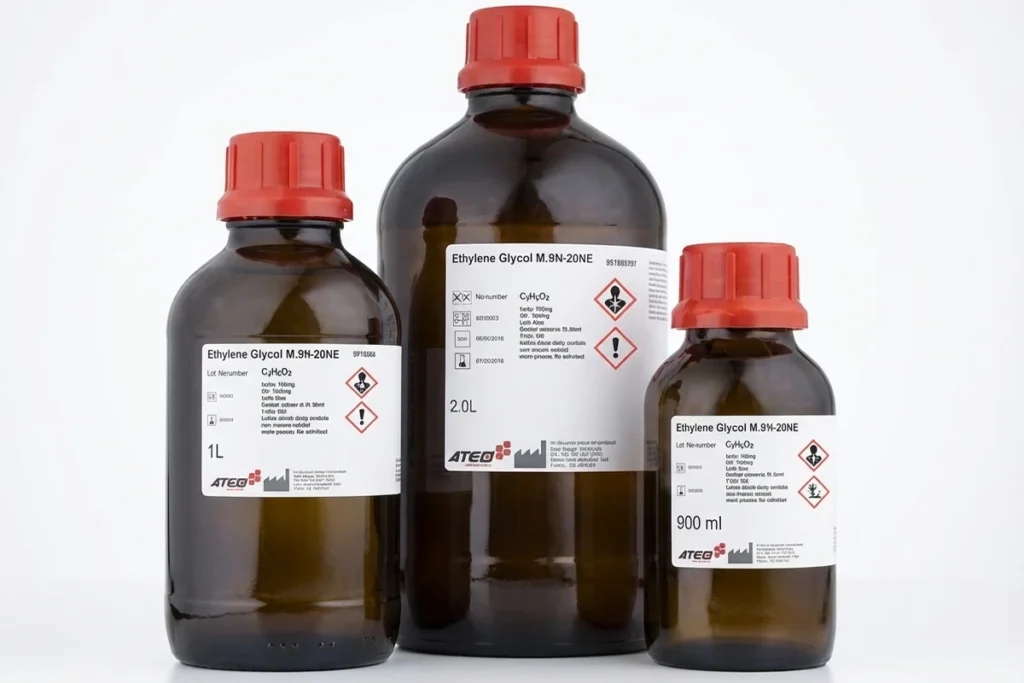
Ethylene Glycol (MEG) is the simplest member of the glycol family and an organic alcohol compound produced as a clear, colorless, odorless liquid with medium viscosity. This product is often supplied in industrial and pure (Fiber) grades and, due to its toxic nature, is not suitable for consumption, unlike some other alcohols.
Its primary production method involves the oxidation of ethylene followed by the hydrolysis of ethylene oxide in petrochemical units. The applications of Ethylene Glycol are vital and extend far beyond that of a simple fluid:
Its key properties include a high boiling point, complete miscibility with water, hygroscopic nature, and a significant ability to lower the freezing point of fluids.
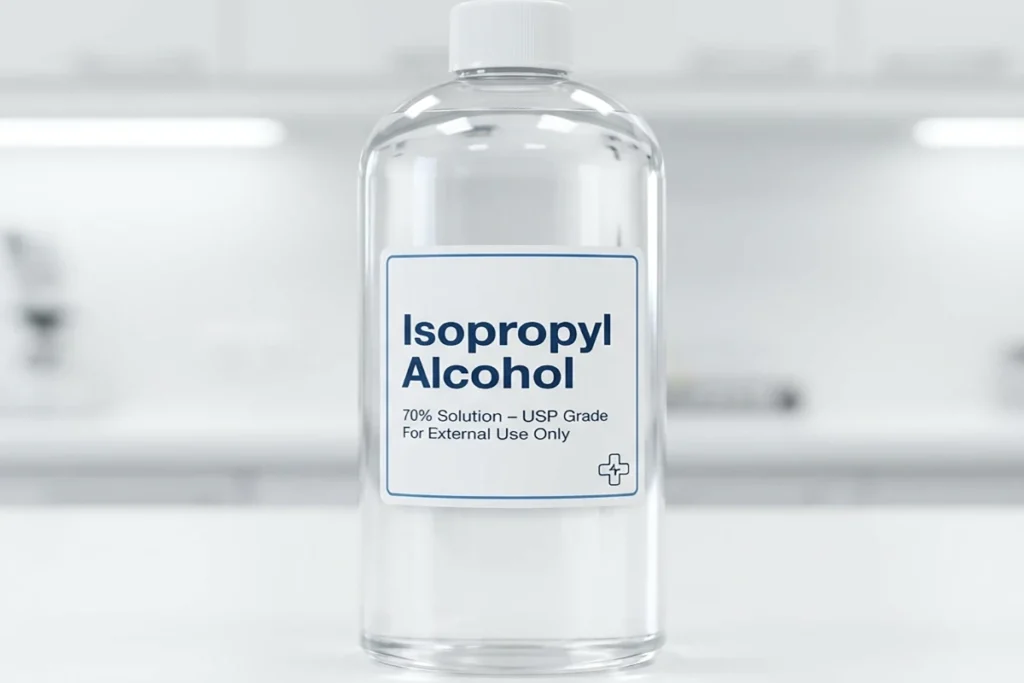
Isopropyl Alcohol (IPA) or 2-Propanol is an organic compound from the secondary alcohol family, known as a colorless, volatile, and flammable liquid with a sharp, distinct odor. This product is typically produced in various industrial and pharmaceutical grades (such as 70% and 99%) and holds a significant place in the industry due to its high evaporation rate and excellent solvency power.
Its primary production method involves the direct or indirect hydration of propylene extracted from petroleum sources. The applications of Isopropyl Alcohol are extensive and extend far beyond ordinary disinfectant uses:
Its key properties include rapid evaporation without leaving a residue (residue-free), complete miscibility with water and most organic solvents, and lower toxicity compared to methanol.
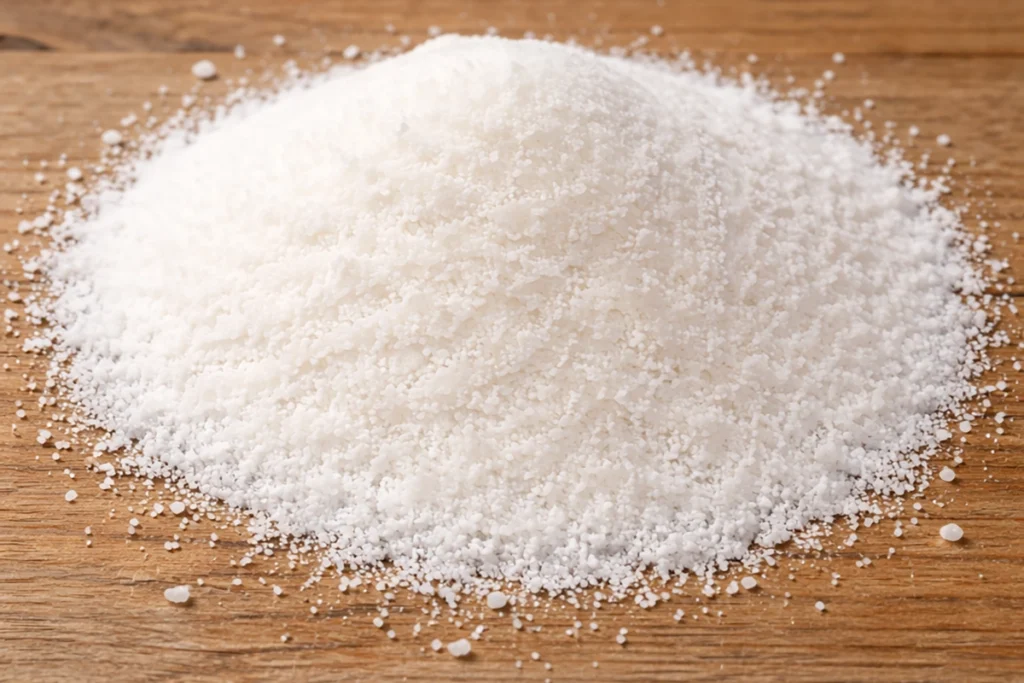
Benzotriazole (BTA) is a heterocyclic organic compound mainly supplied as a white crystalline powder, needle-like granules, or flakes with a very mild odor. This substance is recognized as the gold standard in corrosion inhibition for yellow metals (copper and its alloys) and is produced with high purity for sensitive industrial applications.
This compound is typically synthesized from the chemical reaction of o-phenylenediamine with sodium nitrite in an acidic medium. The applications of Benzotriazole are highly specialized and extensive due to its specific surface protection mechanism:
Its key properties include the formation of an insoluble and highly resistant polymeric film on the metal surface (Chemisorption), excellent thermal and optical stability, and high effectiveness even at very low dosage rates (ppm).
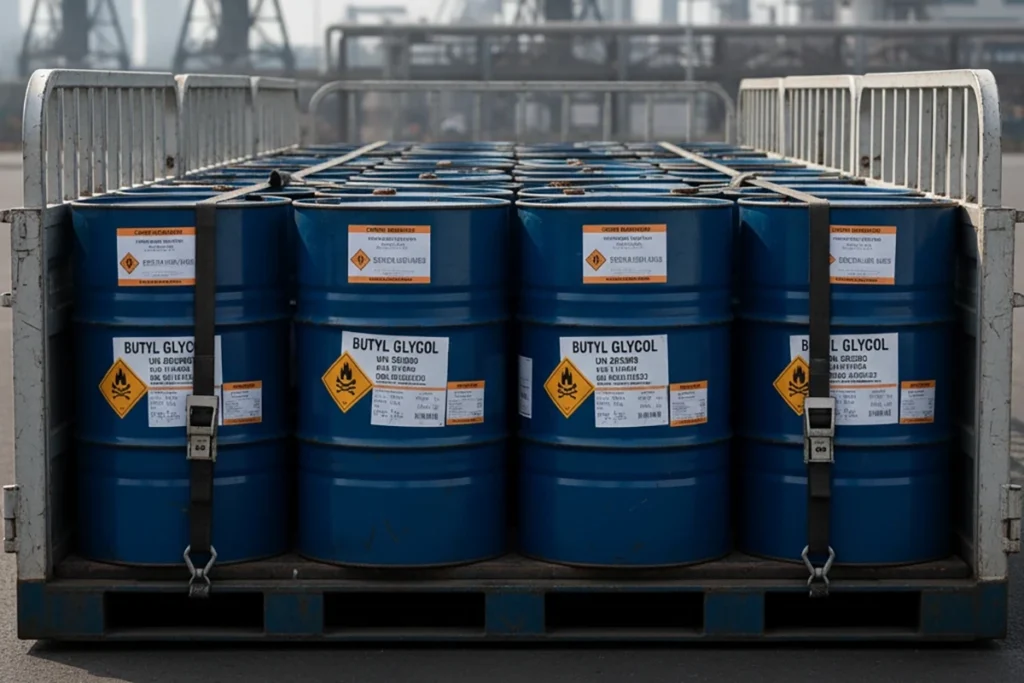
Butyl Glycol (BG) or 2-Butoxyethanol is a key organic solvent from the glycol ether family, known as a clear, colorless, low-volatility liquid with a mild ether odor. Due to its unique molecular structure, which possesses both alcohol and ether properties simultaneously, it is often referred to as a “versatile solvent” in the industry.
This product is produced via the chemical reaction of ethylene oxide with n-butanol in the presence of a catalyst. Butyl Glycol’s power to create compatibility between water and oil has diversified its applications significantly:
Its key properties include “dual solubility” (the ability to dissolve in both water and hydrocarbon compounds simultaneously), acting as a coupling agent, a low evaporation rate, and effective reduction of fluid surface tension.
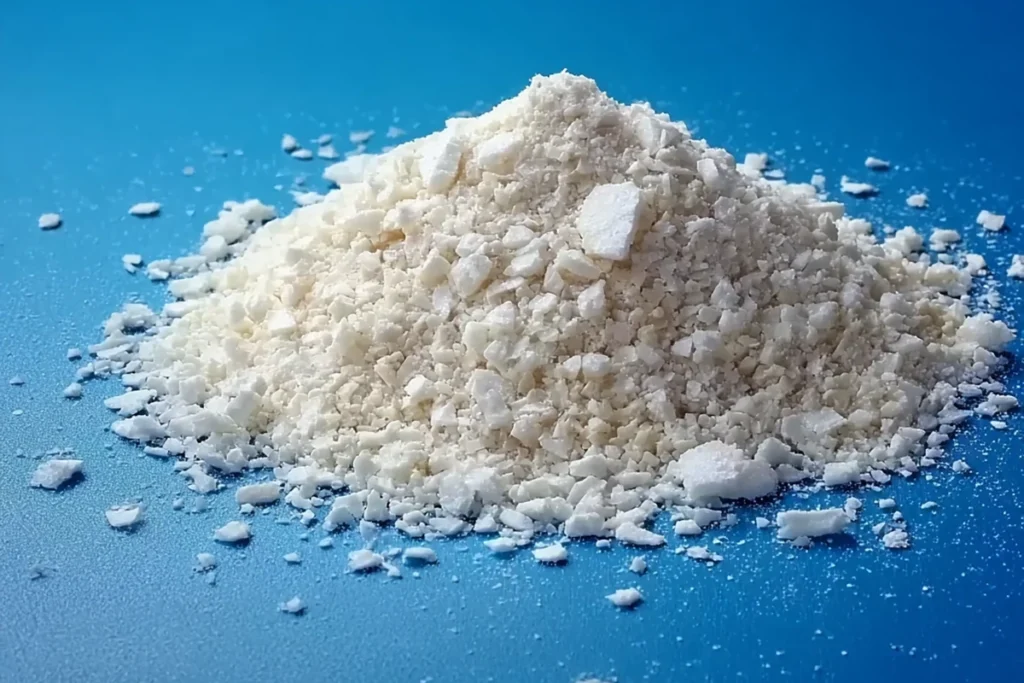
Tolyltriazole (TTA) is an organic corrosion inhibitor and a methylated derivative of benzotriazole, usually supplied as granules or powder ranging from cream to light yellow (amber) in color with a distinct odor. The presence of a methyl group in its molecular structure enhances its hydrophobic properties, leading to the formation of a more stable protective layer compared to its counterparts.
This product is primarily produced via the chemical reaction of Toluenediamine (TDA) with sodium nitrite under acidic conditions. The applications of Tolyltriazole are particularly prominent in systems facing high chemical stresses:
Its key properties include excellent stability in acidic and alkaline environments, impressive resistance against halogens (such as free chlorine), suitable solubility in organic solvents, and effective prevention of pitting corrosion.
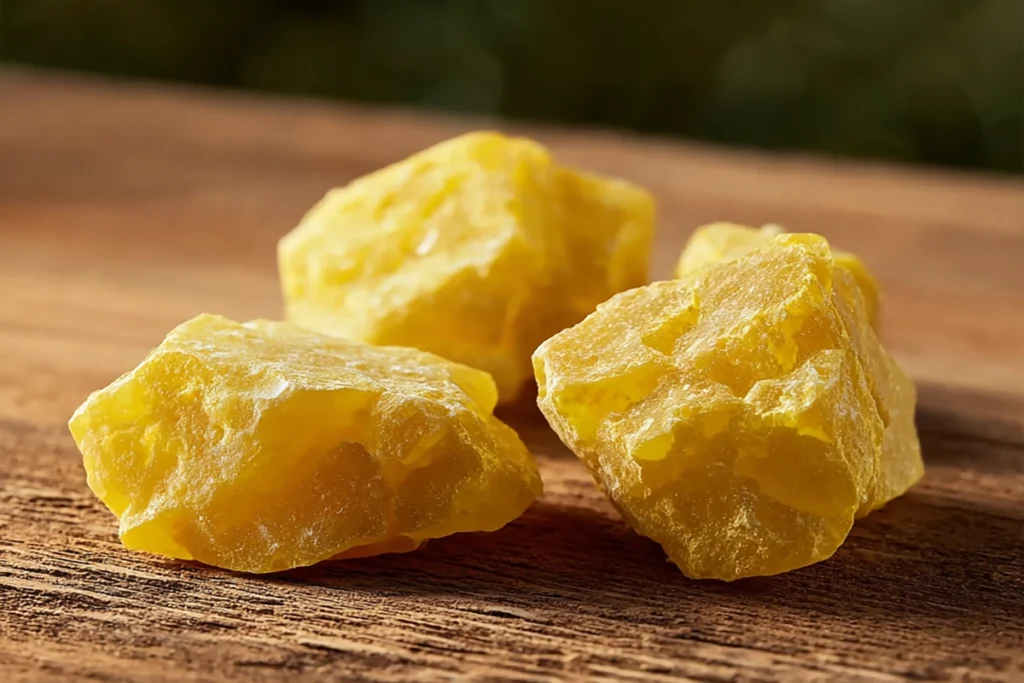
Sulfur is one of the important and widely used chemical elements found in nature, known by the symbol S and atomic number 16 in the periodic table. This nonmetal element is abundantly present in the Earth’s crust and plays a vital role in numerous biological, industrial, and chemical processes. Sulfur exists either in its pure form or combined with other elements such as sulfides and sulfates in mines, rocks, and even volcanic resources, and it has attracted human attention since ancient times.
In nature, sulfur appears in various forms, most notably as a yellow solid with a distinctive odor familiar to many. This element also plays a key role in living organisms and is a component of amino acids such as methionine and cysteine. The presence of sulfur is essential for the proper functioning of proteins, enzymes, and many vital biochemical reactions in the body, and deficiencies or disruptions in its metabolism can lead to significant biological consequences.
From an industrial perspective, sulfur is considered a highly valuable raw material. A large portion of extracted sulfur is used in the production of sulfuric acid, an acid often referred to as the “king of chemicals,” which plays a fundamental role in various industries, including the manufacture of chemical fertilizers, petroleum refining, mining industries, and battery production. In addition, sulfur is widely used in the production of rubber, detergents, pesticides, and certain pharmaceuticals.
In agriculture, sulfur is used to improve soil quality and enhance the absorption of nutrients by plants. This element can help regulate soil pH and is also effective in controlling certain plant pests and diseases. Therefore, sulfur is not merely a simple chemical element, but a key factor linking nature, industry, and human life.

WhatsApp us