Sulfates are a broad class of chemical compounds that contain the sulfate anion with the formula
SO₄²⁻ at their core. This anion consists of a central sulfur atom covalently bonded to four oxygen atoms in a tetrahedral geometry. The divalent negative charge of the sulfate anion is typically balanced by metallic cations (such as Na⁺, Ca²⁺, Fe²⁺) or ammonium groups (NH₄⁺), resulting in the formation of sulfate salts.
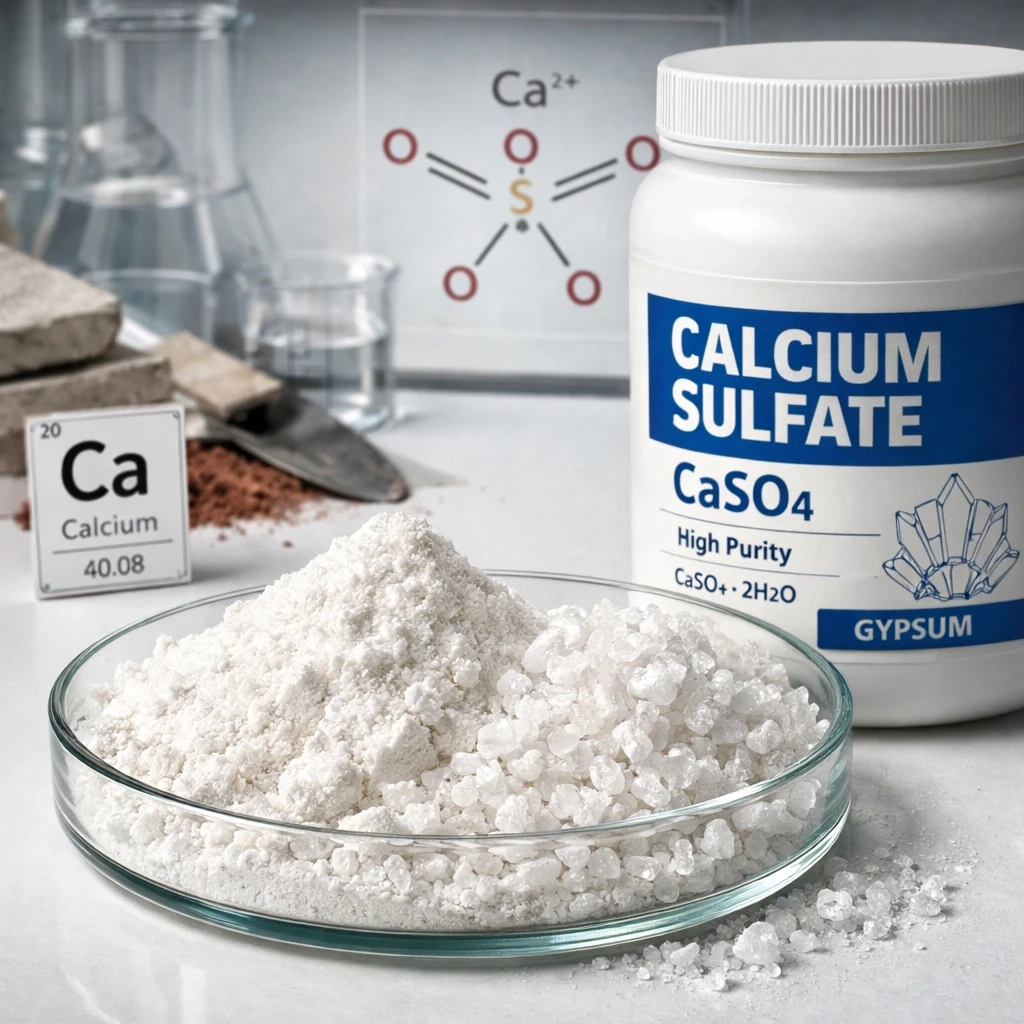
From a historical perspective, sulfates have long been known in the form of alum and were widely used in dyeing, leather tanning, and water treatment industries. Today, sulfates occur naturally in minerals such as gypsum (CaSO₄·2H₂O), anhydrite (CaSO₄), and barite (BaSO₄). They are also present in natural waters, soils, and even the atmosphere as suspended particles (aerosols).
Key properties of sulfates include:
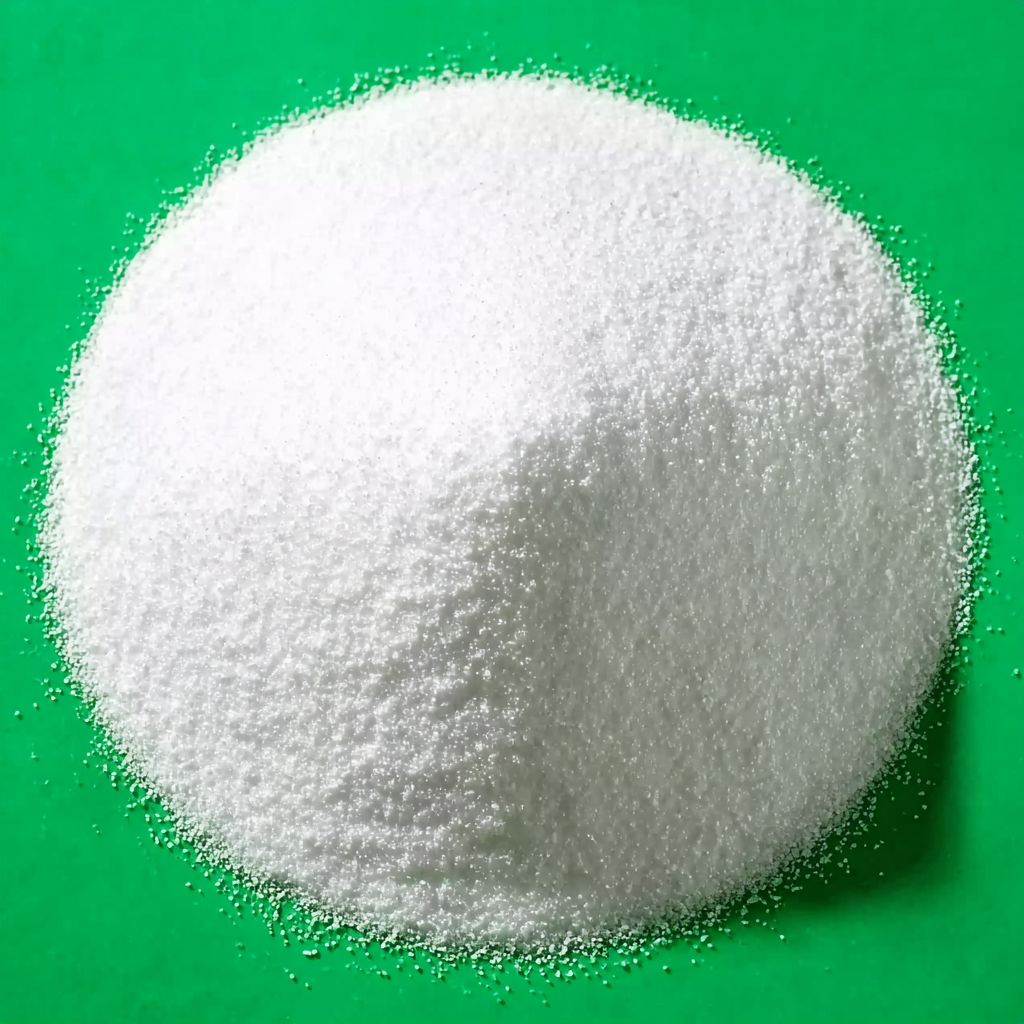
They are generally white or colorless crystalline solids.
Their solubility in water varies; most sulfates of alkali and alkaline earth metals (such as sodium sulfate and magnesium sulfate) are highly soluble, whereas sulfates of heavy metals like lead, barium, and calcium (in anhydrite form) are sparingly soluble or insoluble.
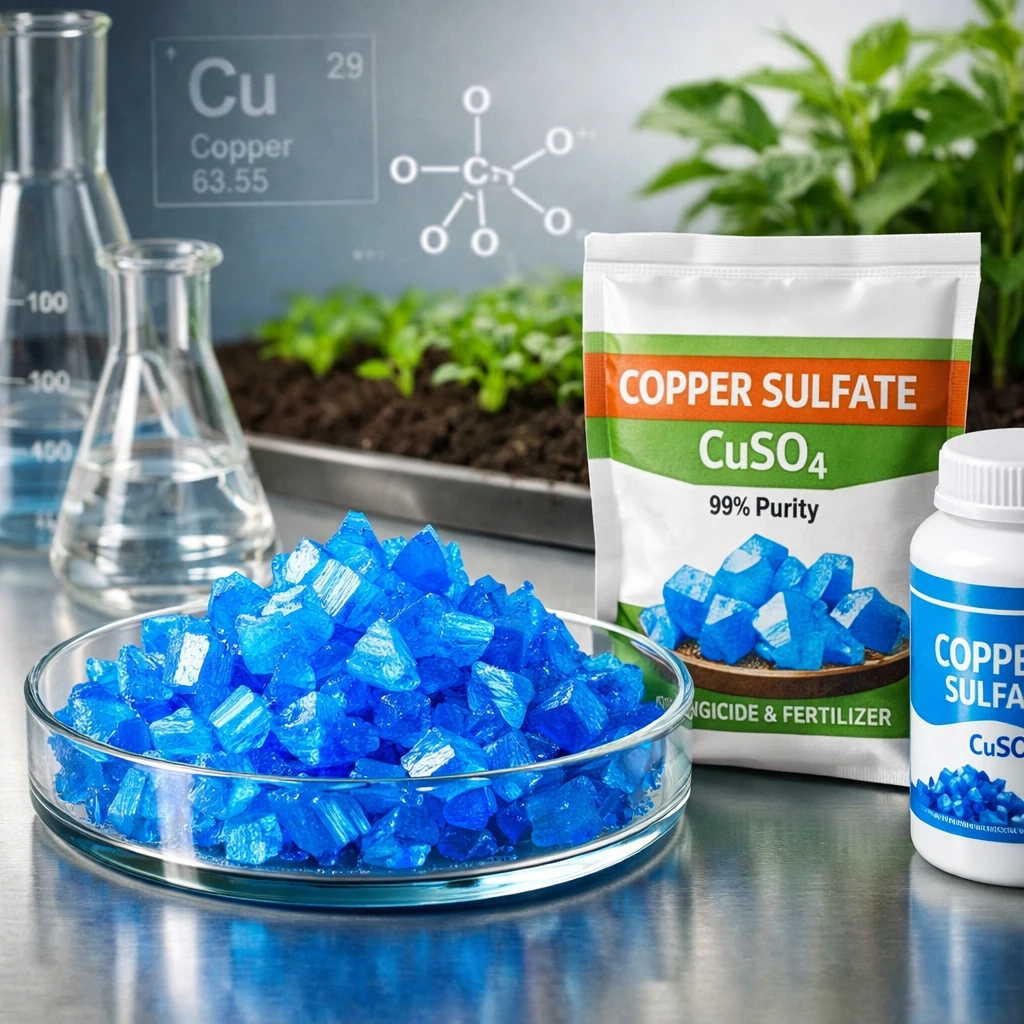
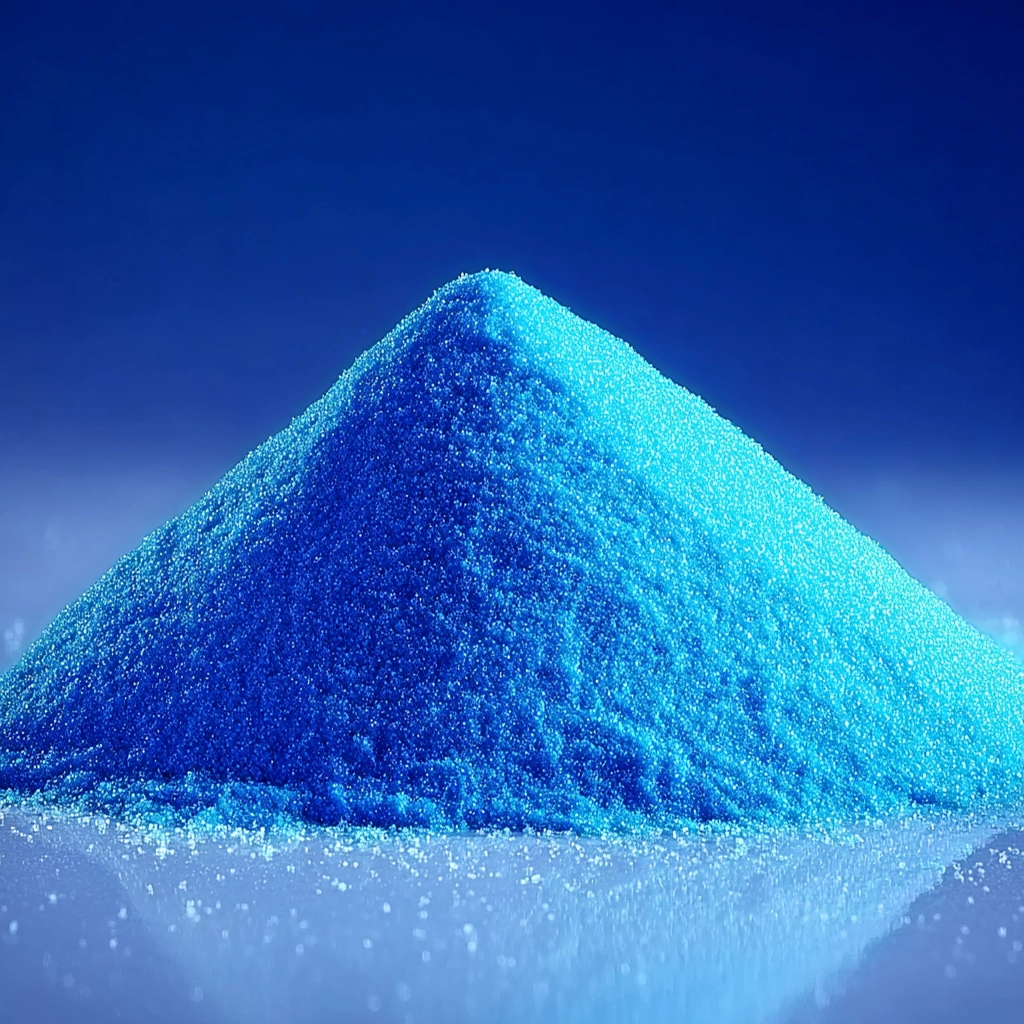
Many sulfates are capable of forming hydrates (waters of crystallization). A well-known example is copper(II) sulfate pentahydrate (CuSO₄·5H₂O), commonly known as blue vitriol.
The industrial and everyday applications of sulfates are extremely diverse and widespread:
Agriculture: Ammonium sulfate and potassium sulfate are widely used as nitrogen and potassium fertilizers to enhance plant growth and soil fertility.
Construction Industry: Calcium sulfate (gypsum) is used in the production of drywall panels, plaster, and cement.
Detergents and Cleaning Products: Sodium laureth sulfate (SLES) is commonly used as a surfactant in shampoos and dishwashing liquids.
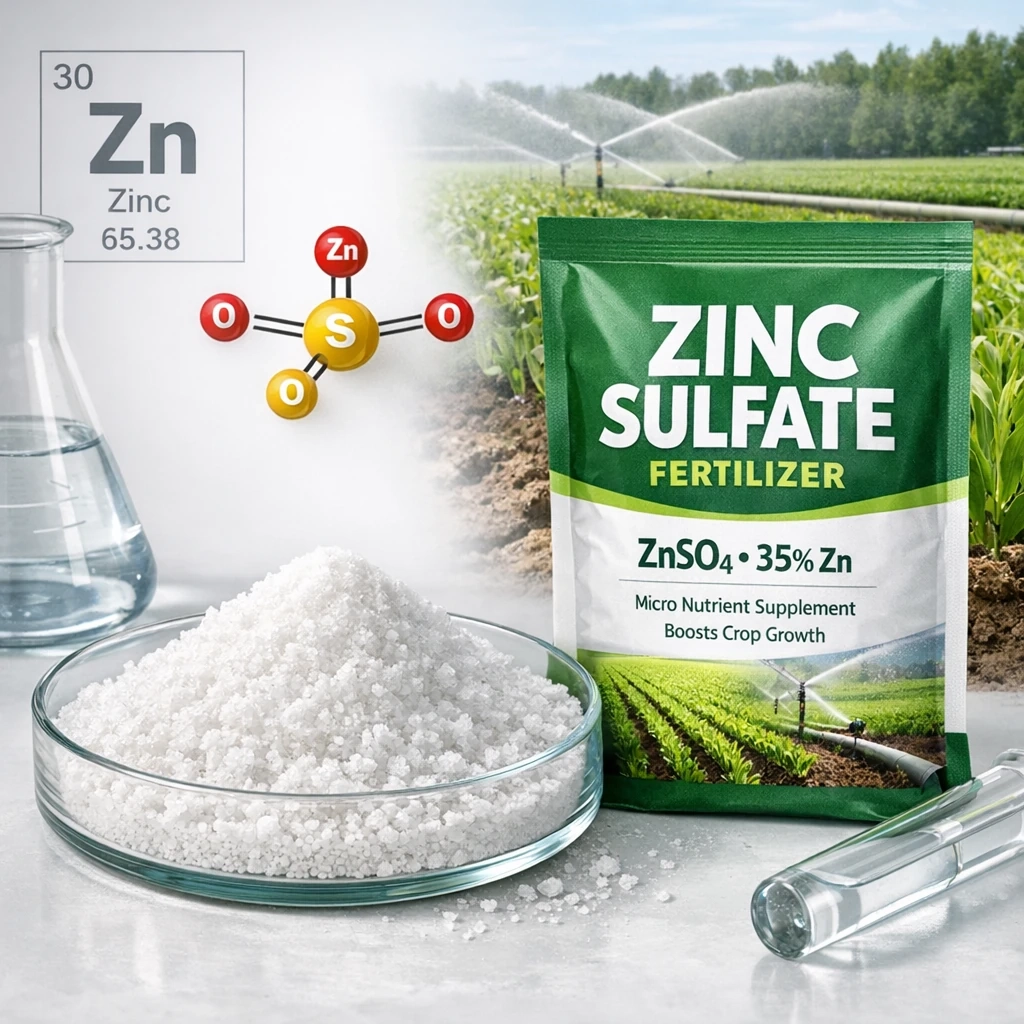
Medicine and Pharmaceuticals: Zinc sulfate is used in zinc supplements, copper sulfate serves as a fungicide and algaecide, and magnesium sulfate (Epsom salt) is applied for muscle relaxation and fatigue relief.
Water Treatment: Alum (aluminum sulfate) is widely used as a coagulant to remove suspended particles and impurities from water.
Sulfates are among the most extensive and widely used groups of ionic compounds in inorganic chemistry. In the following section, we take a closer look at their structural details, chemical behavior, natural sources, specialized industrial applications, and environmental challenges.
Molecular Structure and Bonding
The sulfate ion (SO₄²⁻) exhibits a perfect tetrahedral geometry. The central sulfur atom is in the +6 oxidation state and forms bonds with four oxygen atoms. Two of these bonds are traditionally described as double bonds (S=O), while the other two are single ionic/covalent bonds (S–O⁻). This bonding arrangement gives the sulfate ion a high degree of resonance stability; in other words, the negative charge is delocalized over all four oxygen atoms. As a result, the sulfate ion shows significant resistance to nucleophilic attack, contributing to its remarkable chemical stability.
Sulfates are primarily formed through the oxidation of sulfide minerals (such as pyrite, FeS₂) in the presence of oxygen and water. In nature, this process occurs as part of rock weathering, leading to the formation of sulfuric acid and various sulfate salts. This geochemical transformation plays a key role in the natural sulfur cycle and significantly influences soil and water chemistry.
Numerous sulfate minerals occur naturally, among which the most important include:
Gypsum (CaSO₄·2H₂O): The principal source of gypsum rock, widely used in construction materials such as plaster and drywall.
Anhydrite (CaSO₄): The anhydrous form of gypsum, commonly found in evaporite deposits and used in cement production.
Mirabilite (Na₂SO₄·10H₂O): A hydrated sodium sulfate mineral typically found in saline lakes and evaporative environments.
Barite (BaSO₄): A high-density mineral extensively used as a weighting agent in oil and gas drilling fluids.